Body Contouring Farmington Hills: Popular Questions About Treatment Results
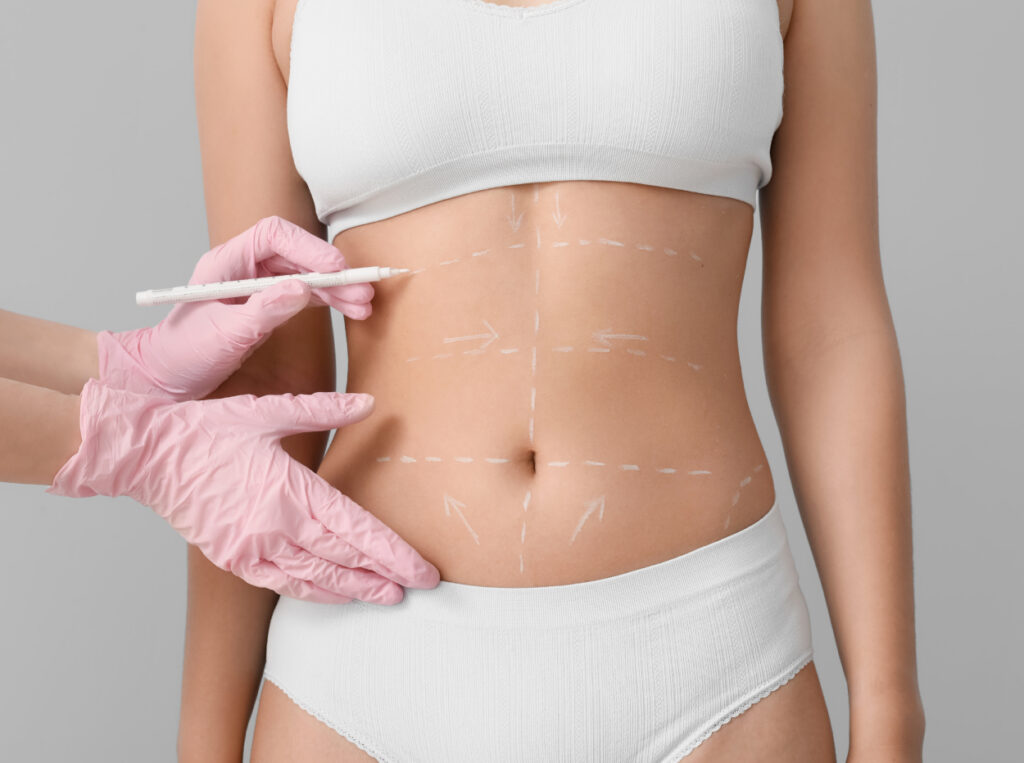

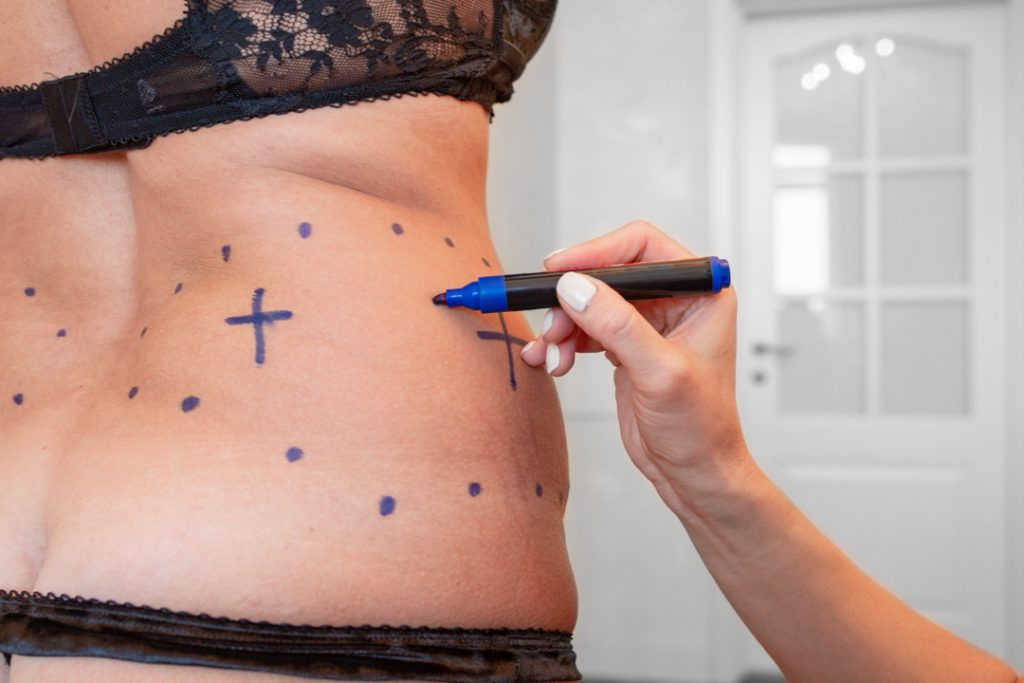
People usually ask about body contouring for one reason: they want to know what the mirror will actually show them a few weeks or a few months later. The technology matters, the treatment plan matters, and the provider matters, but most patients are focused on results. Will the area look smaller? How soon? How natural will it look? Is the change worth the cost and time?
Those are fair questions. They are also the questions that deserve honest, careful answers, because body contouring sits in a tricky space between medicine and aesthetics. It is not a weight-loss shortcut, and it is not magic. At the same time, it can produce meaningful changes when expectations are realistic and the treatment choice fits the person in front of you.
In practices serving patients interested in Body Contouring Farmington Hills, the same themes come up again and again. People want to understand what kinds of changes are common, what affects the final outcome, and why one person seems thrilled after a single series while another says the results were subtle. The difference usually comes down to anatomy, baseline body composition, treatment selection, and patience.
What body contouring can realistically change
Body contouring is designed to improve shape, not rewrite a person’s entire physique. That distinction matters. Most non-surgical body contouring treatments target stubborn pockets of fat, mild to moderate skin laxity, or areas where the body seems to hold onto fullness despite stable eating and exercise habits. Common treatment zones include the abdomen, flanks, upper arms, inner and outer thighs, under the chin, buttocks, and sometimes the bra line.
When treatment works well, patients often notice that clothing fits better before they see a dramatic difference on the scale. That is one of the first misunderstandings worth clearing up. Scale weight may barely move at all, especially if the treated area is small. Someone can lose an inch around the lower abdomen and still weigh nearly the same. Fat reduction is usually measured in contour change, not pounds.
Results also tend to look more refined than drastic. A smoother waistline, less bulge over the waistband, a firmer look to the abdomen, or better definition under the chin are all common examples. The strongest outcomes are often the ones that make people look like a more rested, more toned version of themselves, not like a different person.
How soon do results show up?
This is probably the most common question after “Will it hurt?” and the answer depends entirely on the treatment type. Some devices work by damaging fat cells so the body gradually clears them over weeks or months. Others focus on muscle stimulation, skin tightening, or lymphatic effects, and the timeline can be different for each.
For fat-reduction treatments, early change may show up at about four to six weeks, but the fuller result often takes eight to twelve weeks, and sometimes longer. That can frustrate patients who expect instant gratification. I have seen people feel uncertain at the three-week mark and then pleasantly surprised at the ten-week mark when jeans suddenly button more comfortably.
Skin-tightening treatments can be even more variable. Some people notice a subtle early tightening effect from temporary tissue contraction, but collagen remodeling is slow. Meaningful improvement often unfolds over two to six months. Muscle-toning treatments may create a temporary feeling of firmness early on, but visible changes usually depend on a full series and a stable routine afterward.
The practical takeaway is simple: body contouring rewards patience. The treatment day is not the finish line. It is the starting point for biological changes that continue long after the appointment ends.
Why results vary so much from person to person
Two patients can receive the same treatment on the same area and walk away with different levels of improvement. That is not necessarily a sign that one treatment worked and the other did not. It usually reflects how many variables affect the final result.
Body fat thickness matters. A person with a small, localized lower belly pouch often responds differently from someone with more diffuse abdominal fullness. Skin quality matters too. If loose skin is a major part of the concern, pure fat reduction may make the area look flatter but not tighter. Age can influence elasticity, though not in a simple, one-direction way. Hydration, hormonal shifts, medication use, prior pregnancies, scar tissue, and genetics all contribute.
Lifestyle after treatment matters more than some marketing language suggests. Body contouring can reduce fat cells in a treated zone, but it does not make someone immune to future weight gain. If weight increases significantly after treatment, the contour can change again. Similarly, if someone is dealing with chronic bloating, poor sleep, high stress, or inconsistent nutrition, the visual improvement may be harder to appreciate.
This is one reason good consultations are so important. An experienced provider does not just point to a machine and say, “This will fix it.” They assess whether the concern is mostly fat, mostly skin, mostly muscle laxity, or some combination. That judgment call affects everything about the likely result.
Will I look natural afterward?
For non-surgical treatments, natural-looking results are usually the goal and the norm. Body contouring is not supposed to make one section of the body look suddenly disconnected from the rest. The best outcomes preserve proportion. A flatter abdomen should still look like it belongs to the person’s frame. A smaller under-chin area should still move naturally with facial expression and posture.
Problems generally happen when expectations exceed what the treatment can safely deliver, or when the wrong modality is chosen for the anatomy. For instance, trying to aggressively reduce fat in an area with limited tissue can create disappointment, not because the treatment overdid the result, but because the patient expected a more dramatic transformation than non-surgical options are built to provide. On the other side, treating lax skin with a method that only targets fat can leave someone saying, “It’s smaller, but it’s still not smooth.”
Natural results are tied to restraint and planning. Sometimes the right answer is a staged approach, with one series aimed at fat reduction and another later focused on skin support. Sometimes the right answer is to decline treatment and explain that surgery would be the only realistic path to the change the patient wants.
How much change should I expect?
This is where honest communication matters most. Many non-surgical fat-reduction treatments can create visible improvement, but they rarely deliver surgical-level change. In practice, a meaningful response often means the treated area looks slimmer, less projected, or better defined. The person may be the one who notices it first, followed by a spouse, close friend, or coworker saying, “You look fit,” without being able to name exactly why.
That subtlety is not a flaw. For many patients, it is the appeal. They want to refine one stubborn area without downtime, scars, or the social visibility that comes with surgery. But subtle does not mean insignificant. If a lower abdomen has bothered someone every morning for five years, even a moderate improvement can feel substantial.
It also helps to think in terms of percentages rather than fantasy before-and-after photos. In well-selected patients, modest to moderate change is a more useful framework than “flat stomach” or “perfect thighs.” Results often look best when the person is already near a stable, maintainable weight and treating specific problem spots.
Do the results last?
Results can last, but maintenance depends on what was treated and how stable the person’s body remains afterward. If fat cells in a treated area have been reduced, those exact cells do not typically return. However, remaining fat cells can still enlarge with weight gain, and untreated areas can change over time. A person who gains fifteen or twenty pounds after body contouring may feel that the result faded, even though the treatment itself worked as expected.
Skin tightening can also last, but aging continues. Pregnancy, major weight fluctuation, menopause, and sun exposure all affect tissue quality. Muscle-toning treatments usually need maintenance sessions if someone wants to preserve the peak effect.
This is why good candidates are not people chasing a quick fix before neglecting their health again. Good candidates are people who are already doing many things right and want help with the parts their efforts have not changed.
What if I do everything right and still get a subtle result?
That happens sometimes, and it is worth discussing plainly. Non-surgical body contouring has limits. If the fat layer is too thick for a specific device, if the tissue laxity is beyond what collagen remodeling can noticeably improve, or if the patient’s expectation is essentially surgical, then the result may feel underwhelming despite proper treatment.
There is also a psychological side to outcome perception. Patients who examine the treated area every day often miss gradual change. This is one reason standardized photos matter so much. A front, side, and three-quarter view taken under the same lighting can reveal progress that the mirror disguises. I have seen patients insist nothing changed until their before photo is placed next to an eight-week follow-up image. Suddenly the difference is obvious, especially at the waist indentation or lower abdominal projection.
Even so, not every case produces a wow moment. Responsible providers should say that out loud. Body contouring can improve, refine, and smooth, but it cannot guarantee a dramatic transformation for every body type.
Does treatment work better on some body areas than others?
Yes, and this is one of the most practical questions people can ask. Some zones are more predictable than others. Localized fat pockets on the flanks or lower abdomen often respond well when the tissue is pinchable and the patient’s weight is stable. Under-chin treatments can also be rewarding because even a small volume https://telegra.ph/Why-Clients-Trust-Body-Contouring-Farmington-Hills-for-Body-Shaping-09-24 reduction can noticeably sharpen profile lines.
Areas complicated by loose skin, dense fibrous tissue, or cellulite tend to require more nuance. The upper arms, for example, may need both fat reduction and skin tightening to produce the kind of result patients actually want. Inner thighs are another area where expectations need careful management. The goal may be less rubbing and smoother lines in clothing, not a dramatic gap or sculpted appearance.
Cellulite deserves special mention because it is frequently misunderstood. Many people use the term loosely to describe any dimpling, looseness, or unevenness. True cellulite involves fibrous bands and skin structure, not just excess fat. That means a treatment designed only to reduce fat may not significantly improve the texture issue the patient cares about most.
Will I need more than one session?
Often, yes. A single treatment can help in some cases, but many body contouring plans are built as a series. That is not always salesmanship. It is often how the technology was designed to be used. Fat reduction, collagen stimulation, muscle activation, and lymphatic support can all be cumulative. The body responds in layers, not with a single dramatic switch.
Patients tend to do best when they understand this upfront. The expectation should not be “one session and done” unless the provider specifically believes that is realistic. A more honest framing is that treatment is usually a course, and results build over time.
A typical treatment discussion may cover points like these:
- How many sessions are likely recommended for the area
- How far apart the sessions should be scheduled
- When early and peak results usually appear
- Whether maintenance is advised after the initial plan
- What would make the provider reassess the strategy
That kind of clarity prevents disappointment. It also separates serious medical aesthetics practices from settings that rely on vague promises.
How do I know if my result is “good” for my starting point?
This is a surprisingly important question because many people judge their outcome against someone else’s before-and-after image rather than their own anatomy. A good result is not defined by looking like the leanest patient in the brochure. It is defined by what was realistically achievable for your body at baseline.
A patient who starts with mild fullness and good skin tone may get a crisp, highly visible contour improvement. Another patient with prior pregnancies, some skin laxity, and deeper abdominal adiposity may achieve a result that is objectively successful but less dramatic on camera. Both can be excellent outcomes relative to their starting points.
The strongest providers spend time setting this frame early. They explain not just what the treatment does, but what success would look like in that specific body. That is a mark of experience. It is easy to promise generic “improvement.” It is much harder, and much more valuable, to say, “I expect your waistline to look smoother in fitted clothing, but I do not expect this to remove the skin fold when you sit.”
Are there signs that someone is not a great candidate?
Absolutely, and hearing “not yet” or “not for this treatment” can save time, money, and frustration. Patients often assume enthusiasm means candidacy, but the two are not the same.
A few patterns tend to predict disappointment:
- expecting major weight loss from contouring
- treating active weight fluctuation as irrelevant
- assuming loose skin will tighten dramatically without surgery
- comparing a non-surgical plan to liposuction-level outcomes
- wanting instant results from a process that needs weeks or months
Someone pursuing Body Contouring Farmington Hills should want a provider who screens carefully. Being selective is not gatekeeping. It is good medicine and good aesthetics.
What can improve the odds of a better result?
Preparation and follow-through matter more than many people think. Good hydration, stable body weight, realistic scheduling, and attention to aftercare can all support the best possible outcome. If a provider recommends compression, massage, exercise timing, or post-treatment spacing, those details are there for a reason.
The less glamorous habits count too. Sleep affects inflammation and recovery. Alcohol excess can worsen fluid retention. High-sodium meals can make the midsection look puffier and obscure early contour changes. None of these factors can erase a good treatment, but they can blur what the patient sees in the mirror, especially in the short term.
This is where lived experience helps. Patients often come back worried that “nothing happened,” but when you unpack the last ten days, they may have had a long flight, eaten differently at an event, slept poorly, and started their menstrual cycle. Bodies are dynamic. A single mirror check after a salty weekend is not a final verdict on a contouring plan.
What should I ask at a consultation if I care most about results?
Results-driven patients should ask direct questions and listen for direct answers. Ask what the provider sees when they examine the area. Is the problem mainly fat, skin laxity, muscle separation, cellulite, or a mix? Ask what degree of visible improvement is realistic and how long it usually takes. Ask whether photos of patients with a similar body type and concern are available. Ask what happens if the first round produces only modest change. A thoughtful provider will discuss alternatives, not just repeat the same pitch louder.
It also helps to ask what body contouring cannot do for you. That single question often reveals the quality of the consultation. Experienced clinicians are comfortable naming limits. They know that trust is built by precision, not by hype.
Why satisfaction often comes down to expectation management
The happiest body contouring patients are not always the ones with the most dramatic physical changes. Very often, they are the ones who understood the process before they started. They knew the timeline, they knew the likely range of improvement, and they chose treatment for a specific, realistic reason. Their waistband sat better. Their profile looked cleaner. Their arms felt more comfortable in fitted sleeves. The result matched the goal.
By contrast, disappointment often grows from a mismatch between the technology and the hope attached to it. If someone expects body contouring to fix every issue they feel with their body, no treatment will satisfy them. If they expect it to refine a stubborn area that has resisted sensible effort, they are much more likely to feel the value.
That is the real center of the conversation around treatment results. Body contouring can be effective, sometimes impressively so, but the best outcomes happen when clinical judgment and patient expectation meet in the same place. For people exploring Body Contouring Farmington Hills, the most useful question is not simply “Does it work?” It is “What kind of result makes sense for my body, and is this the right way to get there?” Once that question is answered honestly, everything else becomes clearer.
Aesthetic Plastic Surgery & Laser Center, Michelle Hardaway M.D.
Address: 27920 Orchard Lake Rd, Farmington Hills, MI 48334
Phone number: +12482211957
FAQ About Body Contouring Farmington Hills
What does body contouring actually do?
Body contouring (or body sculpting) eliminates stubborn localized fat, tightens loose, sagging skin, and reshapes your silhouette. It is not a weight-loss tool, but rather a cosmetic procedure used to refine and tone specific trouble spots after major weight loss, pregnancy, or aging.
How much does body contouring usually cost?
The total cost of body contouring usually ranges from $2,000 to $25,000+ depending entirely on whether you choose non-surgical sessions or major surgical procedures.
Because "body contouring" covers everything from simple fat-freezing to comprehensive post-weight-loss surgeries, pricing is heavily categorized by the method used.
What is the best type of body contouring?
Liposuction is a huge topic and worth discussing in more detail, but in terms of body contouring and sculpting, nothing does the job better than liposuction, particularly VASER liposuction.